×

The Pulse of the Ocean

An autonomous coastal sensor grid for a smarter, cleaner ocean.

What is OceanPulse Network?

OceanPulse Network is a scalable, real-time coastal monitoring system using smart buoys and LoRa technology to transmit live environmental data. Deployed along the Portuguese coast, river systems and lakes, it aims to offer continuous insight into marine conditions to support scientific, governmental, and conservation efforts.

Current Status: The foundational computer science underpinning the project's initial phase was successfully demonstrated in a proof-of-concept trial conducted at the Sea4Us lab in Sagres. One prototype buoy has been developed and successfully tested with multiple sensors over long ranges, but only for short durations.

Future Developments:

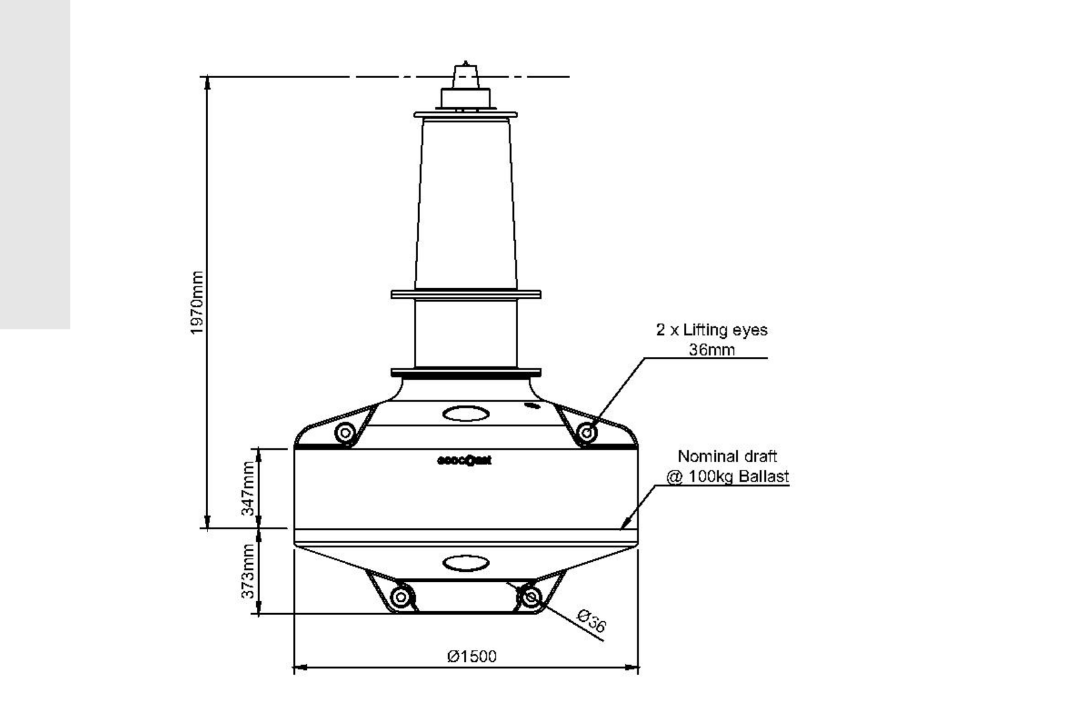
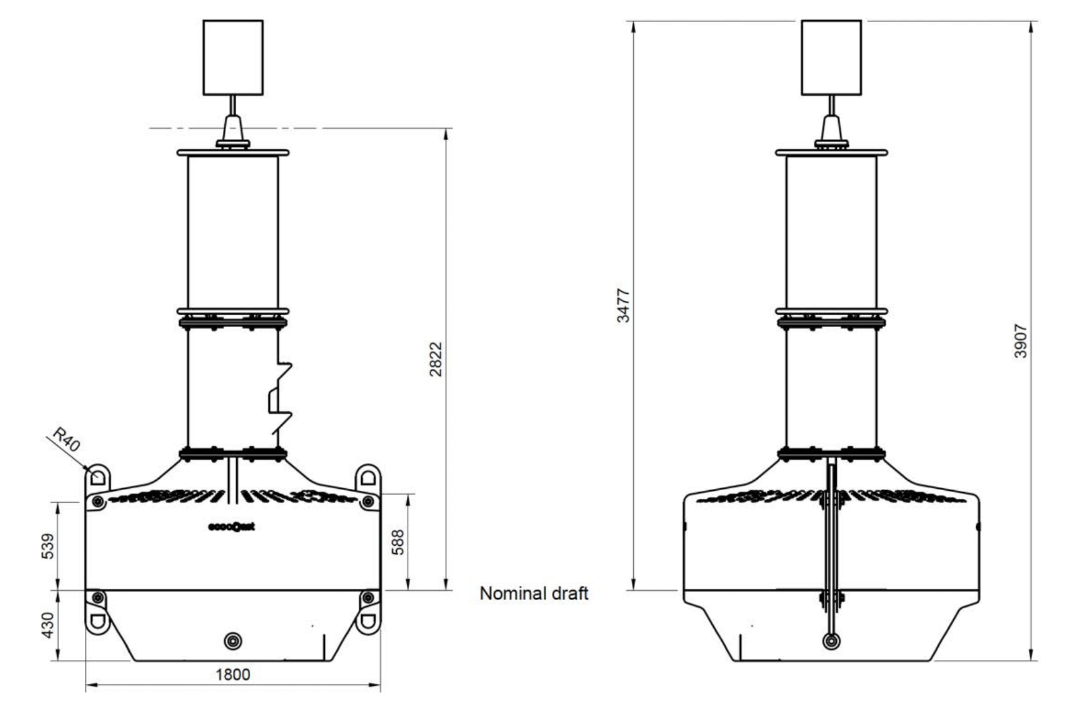
  • Adaptation of navigational buoys to house our floating platform, enabling deployment for months or years in marine conditions
  • Implementation of professional-grade marine sensors designed for long-term deployment without maintenance
  • Advanced battery and solar charging systems for continuous operation
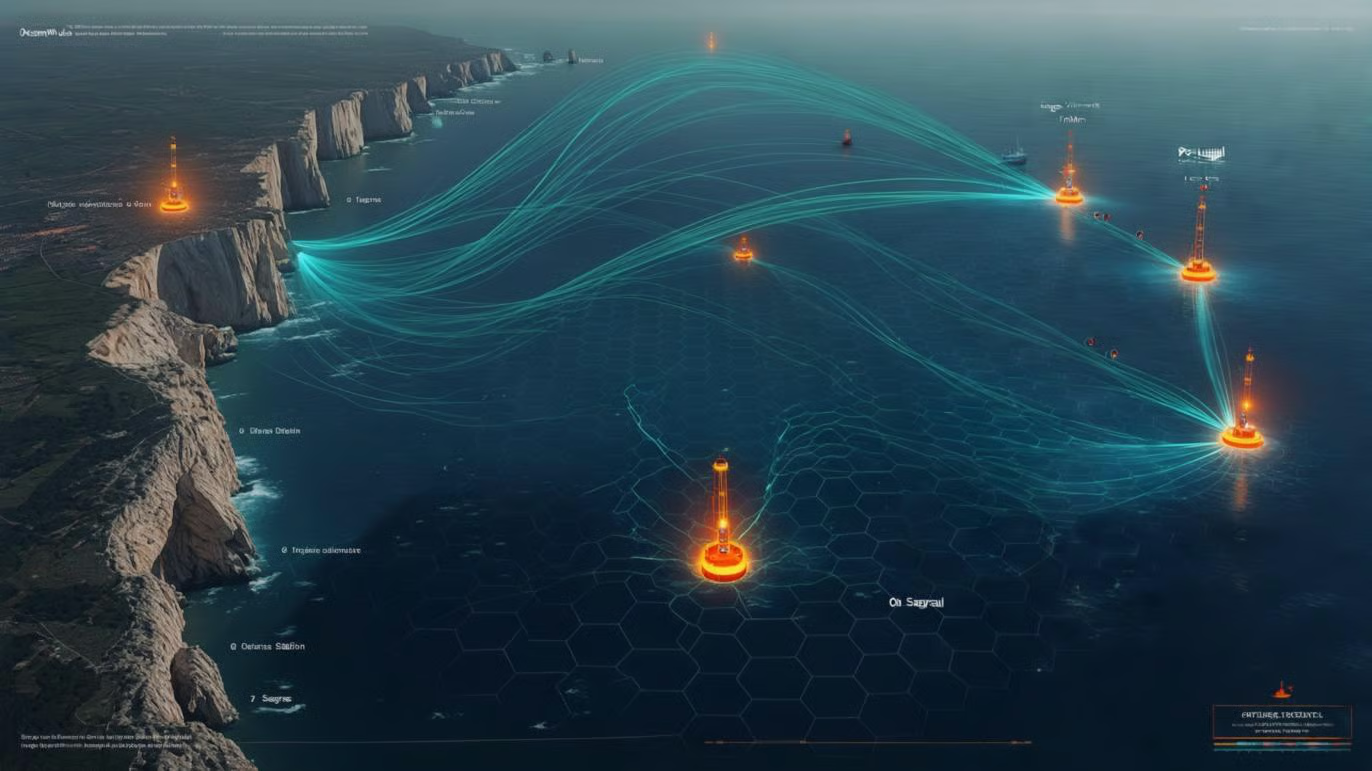
  • Mesh network communication between multiple buoys
  • Comprehensive internal health monitoring system
Technology Overview

Offshore Platform
Offshore Platform
Onshore Gateway
Onshore Gateway
Ocean Grid
Ocean Grid
Control Interface
Control Interface

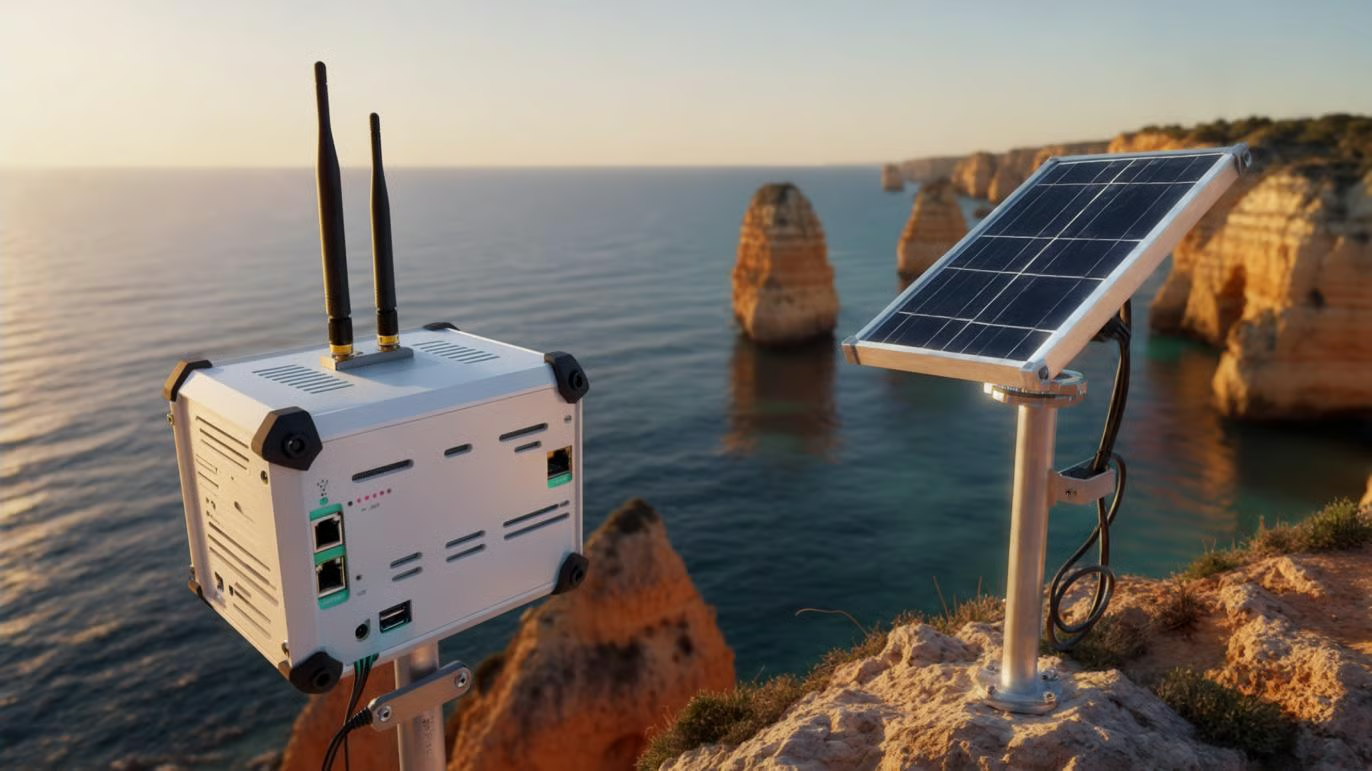
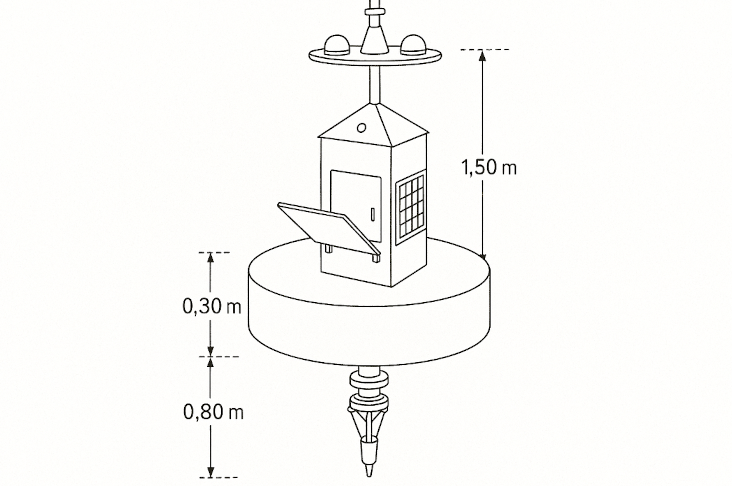
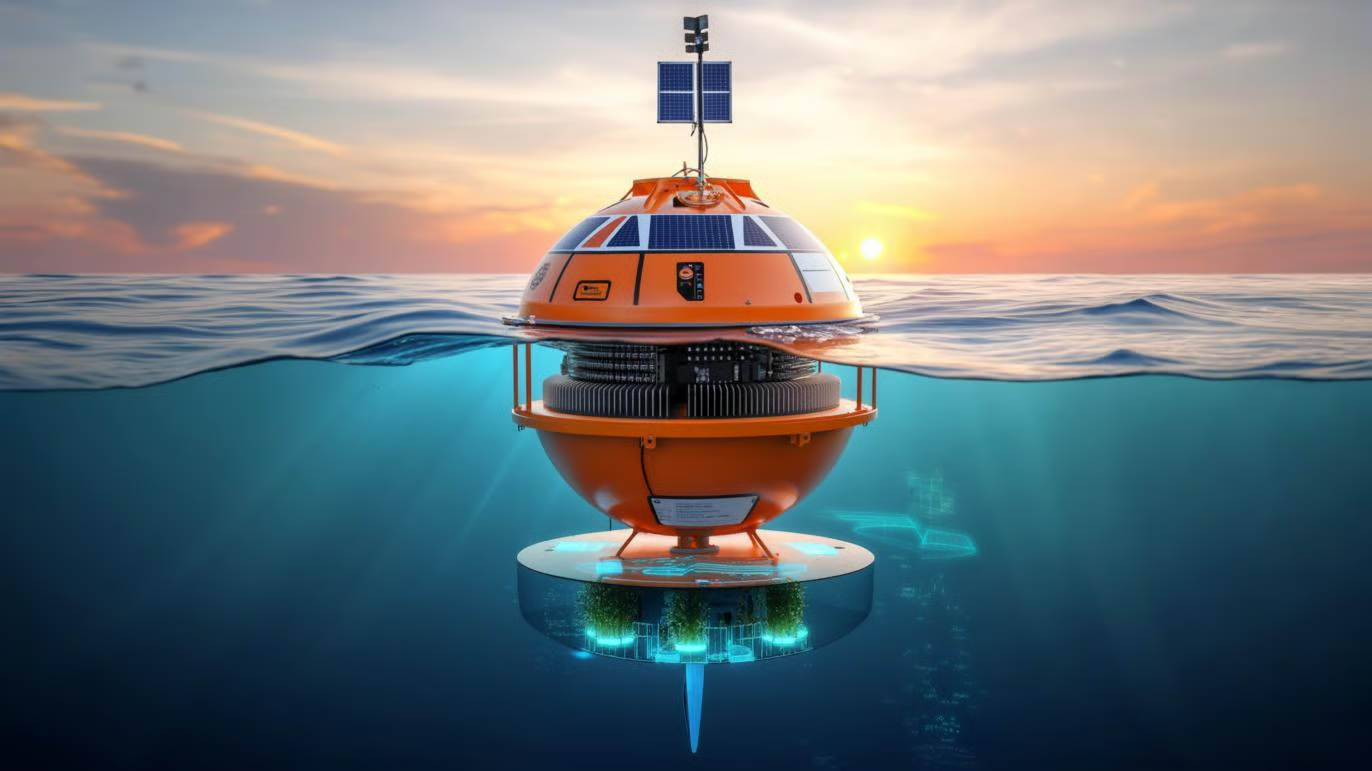
Offshore Platform

  • Micro computer
  • Micro controller
  • LoRa transmitter
  • Marine sensors
  • Solar charging system

Onshore Gateway

  • Micro computer
  • LoRa receiver
  • IoT messaging protocol over WiFi
  • Off-grid solar charging system

Ocean Grid

  • Planned resilient multi-buoy grid
  • Node-to-node communication
  • 10km+ range capabilities

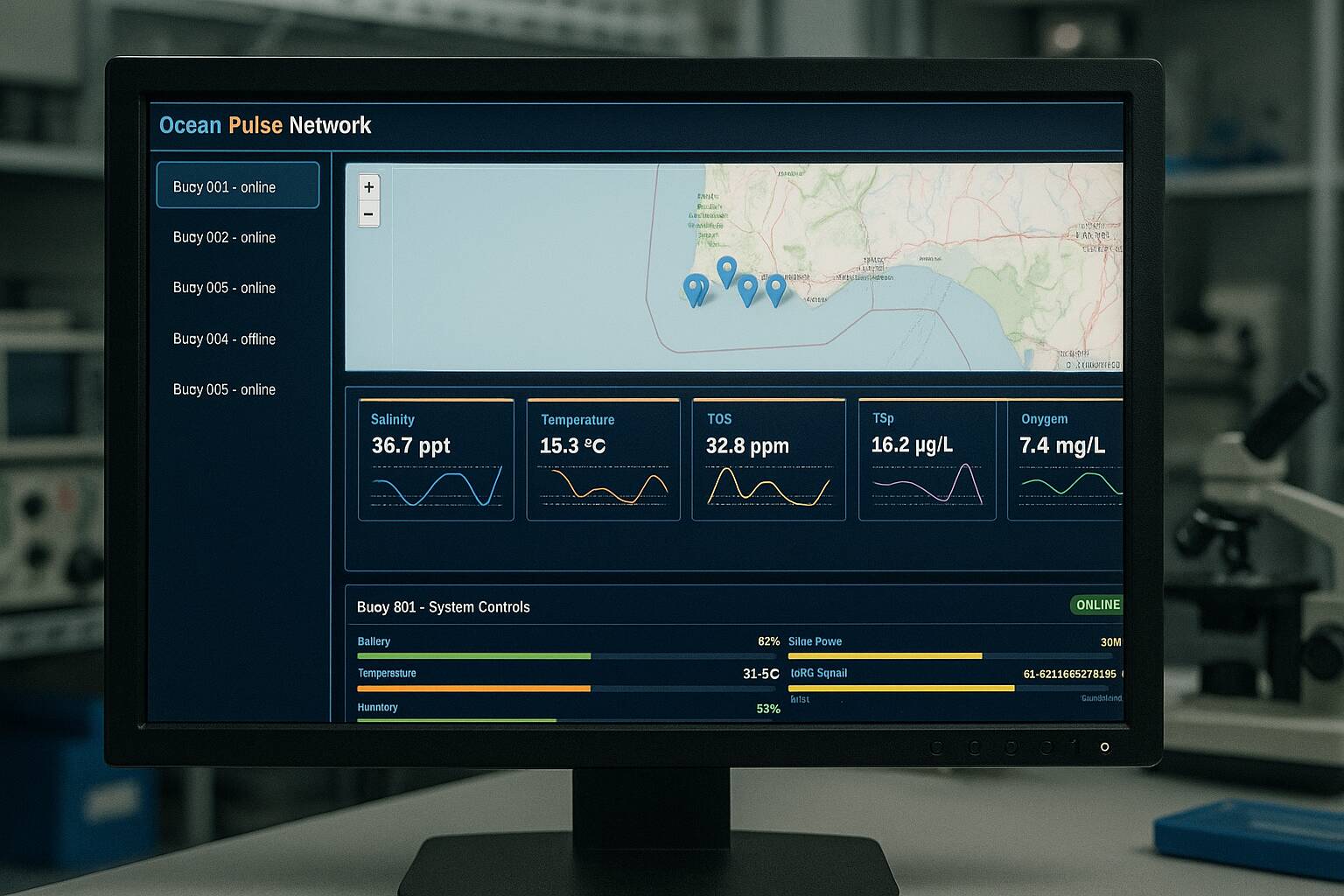
Control Interface

  • Web-based dashboard
  • Real-time environmental data
  • Operational control systems
  • Predictive AI capabilities

Why It Matters

With rising ocean pollution and climate instability, real-time data is critical. OceanPulse enables monitoring of water quality, temperature fluctuations, and pollution trends to help preserve marine biodiversity and inform policy decisions. Although still in its initial phase, the project demonstrates a promising low-cost, scalable model for coastal monitoring.

Predictive AI Capabilities

An advanced AI coordinates with external agencies, analyzes trends, and forecasts water conditions using historical data to enable proactive environmental management.

Partners & Collaborators

We welcome partnerships with marine research institutions, universities, Non-Governmental Organizations, and government bodies committed to protecting the ocean. Early-stage collaboration and support are essential to complete development and expand testing.

Research Institutions

Universities

NGOs

Government Bodies

Development Roadmap

Phase 1

Prototype Testing

Single buoy validation with core sensors (temperature, salinity, LoRa transmission). Short-duration offshore tests.

Phase 2

Power and Sensor Optimization

Solar charging upgrades, sensor calibration, battery improvements, and low-power modes for longer deployments.

🖧

Phase 3

Mesh Network

Node-to-node LoRa (10km) communication. Multi-buoy routing and resilience tests.

🧠

Phase 4

AI Integration

Deploy predictive models for pollution tracking, quality forecasts, and anomaly detection.

How you can help:

Support The Project

OceanPulse Network is currently seeking funding and partnerships to advance from prototype to full-scale deployment. Your support will help accelerate development of this critical coastal monitoring technology.


We're looking for:

  • Corporate sponsors interested in environmental technology
  • Research institutions for collaborative development
  • Government grants for marine conservation initiatives
  • Individual donors passionate about ocean preservation
Get Involved
Offshore platform sketch Offshore platform base housing sketch Offshore platform base housing second sketch

Contact Us

Get in Touch

Email: paul.sheridan@adt.vision

For inquiries about partnerships, technical details, or support opportunities.

Project Location

Currently deployed along the Portuguese coast, with focus on Sagres.

Sagres, Portugal